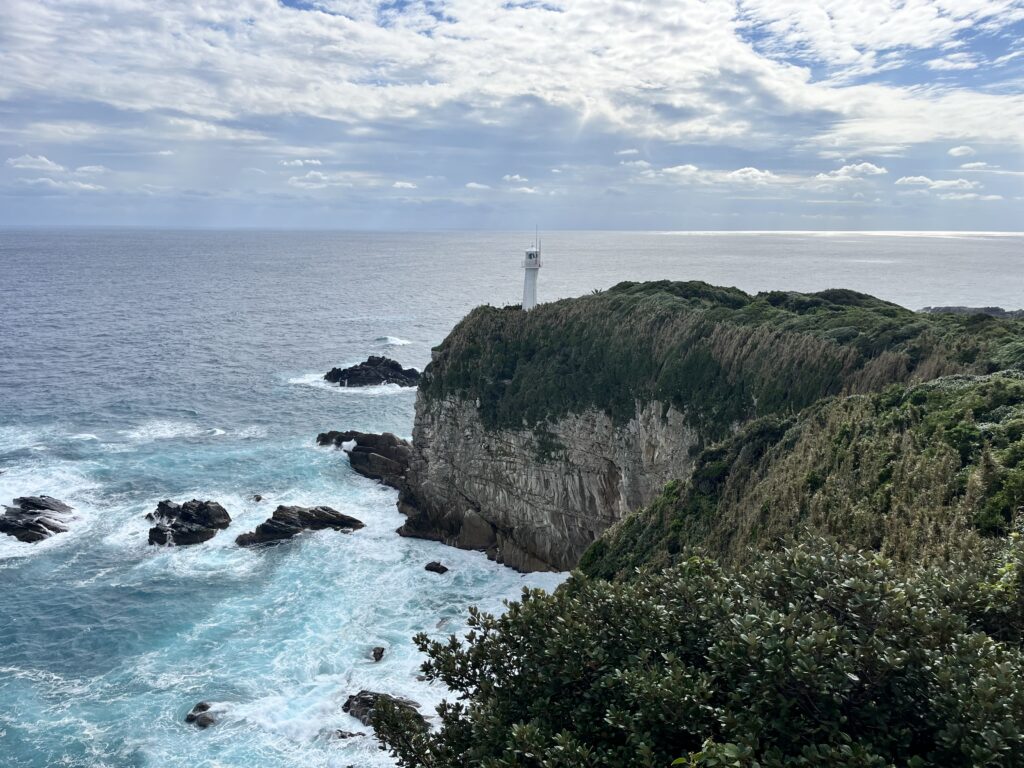
The number 88 is attractive and inviting. A piano has 88 keys, providing for an infinity of musical combinations. In the periodic table there are 88 naturally occurring elements, from hydrogen to radium. Modern astronomy recognises 88 constellations, while in Chinese numerology the number 8 means wealth and fortune, so 88 equals double prosperity. In Back to the Future, when the Delorean hits 88 mph, serious stuff starts to happen. 88 is a number with major street cred. It tends to show up where there is a complete system, or a symbolic sense of luck, especially in Asian cultures. At the confluence of these points is the 88 temple Shikoku pilgrimage.
Known as the Henro, this 1,200-kilometre route circles the island of Shikoku, the smallest of Japan’s four main islands. Following in the footsteps of the 9th-century monk Kobo Daishi, founder of Shingon Buddhism, pilgrims visit 88 temples along the way. The journey can be done in many ways — by car, bus, or in stages over time — and many Japanese pilgrims fit sections of it around the constraints of work and family life. I chose to walk it. As a seasoned pilgrim, I expected the journey to take six to seven weeks.
THE HENRO
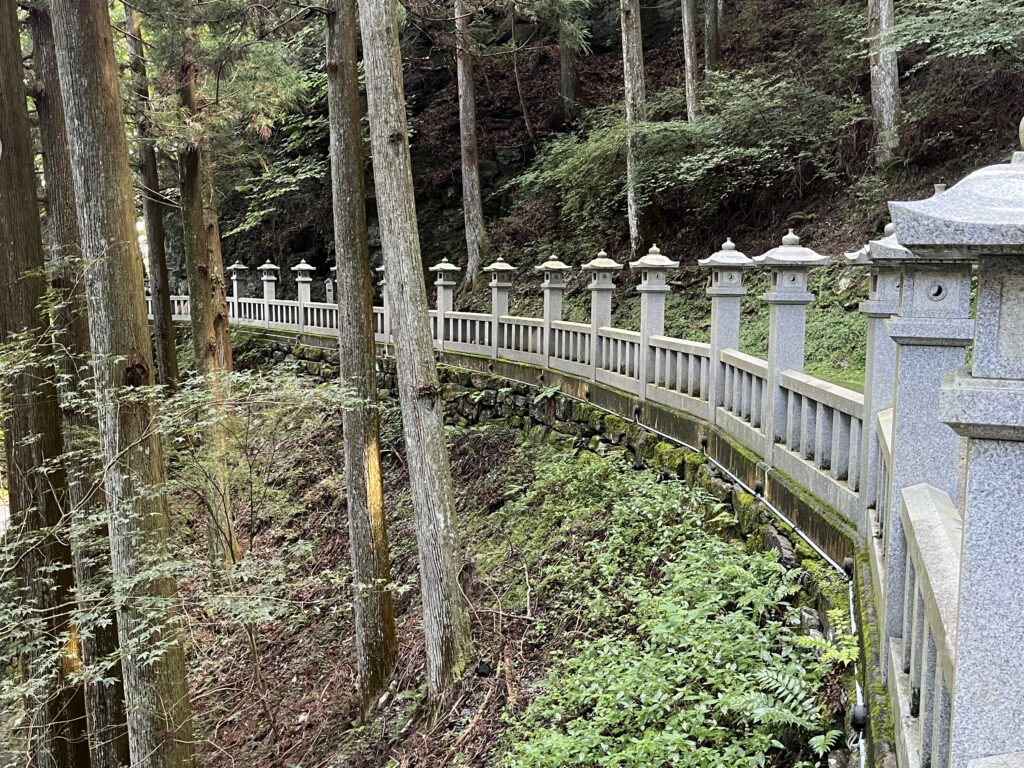
The Shikoku Pilgrimage first came to my attention as a potential adventure when I was walking the Camino Frances for the second time, in 2013. I was staying in an albergue, in Leon I believe, when I saw a notification for a Japanese pilgrimage similar in character to the one I was currently doing in Spain. The seed was planted in my subconscious, and over the next decade it grew in stature and significance, eventually rising to the top of my bucket list. Having reached the milestone of half a century in 2024, and having endured a minor surgical procedure that same year, which temporarily gave me a glimpse of what it felt like to be old and immobile, I was conscious that age would not always be on my side, and the health and fitness levels that I’d hitherto enjoyed would not remain this good forever. So I decided that in 2025 I would head to Japan and walk this trail. I’d done five caminos, including the arduous Via de la Plata, endured three weeks of unforgiving hiking in the Himalayas, and lived to tell the tale. And if I added the Shikoku pilgrimage to my list, not only would I have lived to tell the tale but there would be many more tales to tell as well.
When I walked my first camino, way back in 2004, I worried about all the things that might go wrong, from injuries, to loss of property, to failing to find accommodation, to getting lost and being eaten by wolves. In fact, nothing serious went wrong then, or on any other camino. In fact they all proved to be amazing, life affirming experiences that were unique, unforgettable and rewarding. So when I decided to go to Shikoku and complete the Henro on foot, I kept preparations to a minimum. I packed appropriately, I trained sufficiently, and I planned as much as was necessary, but other than that I decided to let the universe take care of everything else. Yes, many things could go wrong. Despite negligible levels of crime Japan was a very dangerous country for natural disasters, and its wildlife could be quite menacing too. Snakes, monkeys, wild boars and the menacingly titled murder hornets were all potential sources of injury and death. Certainly the road would provide challenges, hardships and obstacles, but it also offered the promise of endless adventure, the call of the wild and the opportunity to engage in one of my favourite activities – going for a good long walk.
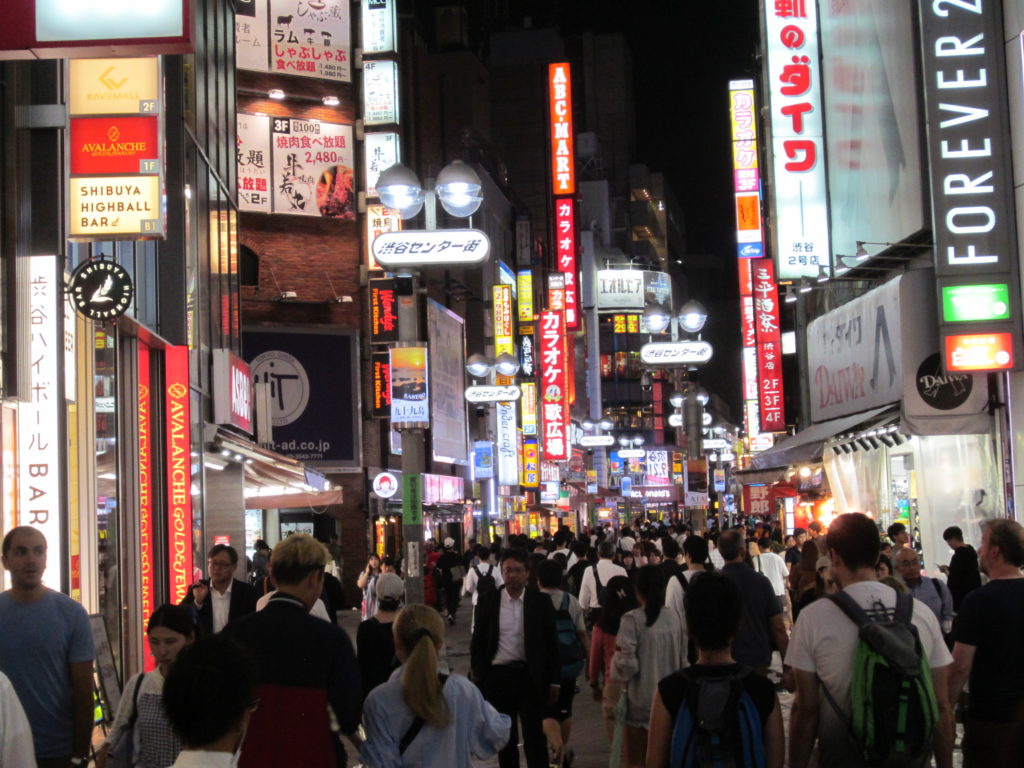
I first visited Japan in 2018 and was overwhelmed and mesmerised by the experience. I didn’t expect to feel this way about anything in my 40s, but Japan is a land of futuristic wonder and ancient tradition that will awaken the sense of awe and adventure in anyone. From the dazzling neon and electric energy of Tokyo, to the sumptuous zen gardens, Buddhist temples and Shinto shrines of traditional Kyoto, the month I spent there was a joyous assault on the soul and the senses, which left me desperate for more. I returned briefly in 2023, and to the island of Okinawa in 2024, by which time I felt like the country was my second home. Despite its differences, I was now sufficiently familiar with the country, its customs and its culture that I thought I could tackle the beast that was the Shikoku pilgrimage.
THE CALL TO ADVENTURE
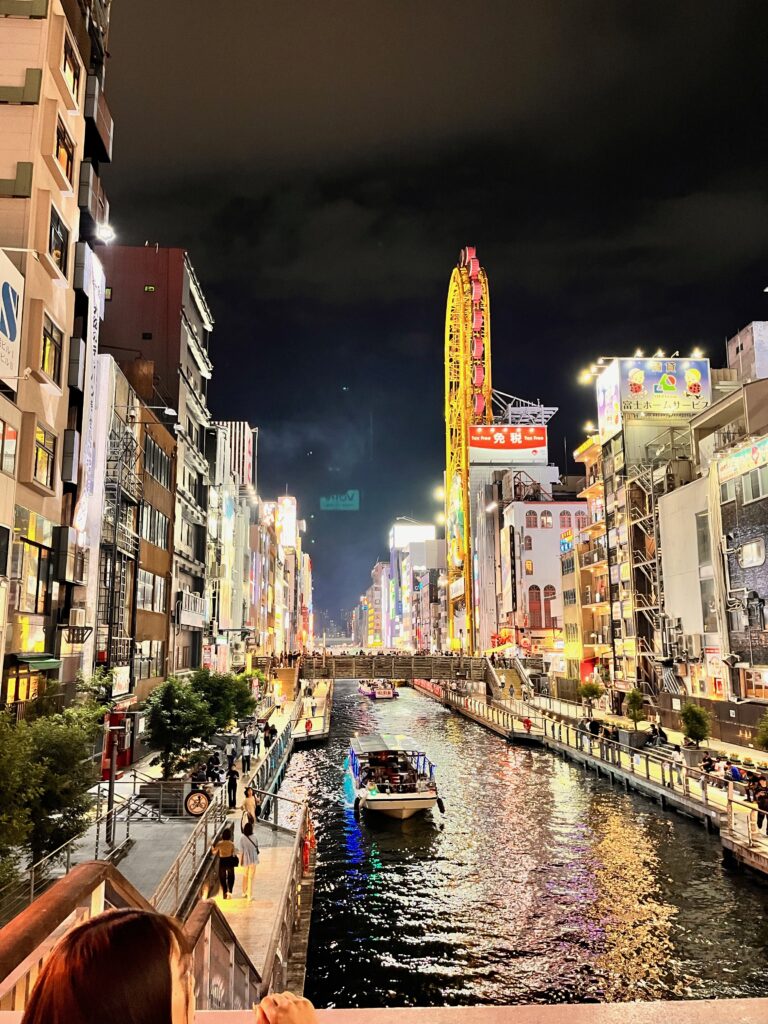
I landed at Kansai airport, Osaka, late on a Sunday evening. I was tired but exhilarated after twenty four hours of travelling. The familiar but alien scripts of Hiragana, Katakana and Kangi greeted me at the airport and on the metro as I took a late evening train to the centre of Osaka. I emerged from the labyrinthine Namba station to the pulsating heart of the city above, where the neon was slowly fading out as crowds were bedding down for the night. I’d been here before and I quickly recognised certain landmarks. It felt good to be back, and I spent a few very enjoyable days in the mega metropolis of Osaka, during which I got to the top of the Umeda Sky Building, which had been closed due to an impending typhoon in 2018, and I attended the epic Osaka World Expo. So did the rest of the world the same day, but it was nice to soak up the atmosphere, while simultaneously being prodded in the eye with umbrellas employed to block out the sun. I also allowed myself a sidetrip to the splendiferous city of Kyoto. A lifetime in Kyoto would hardly allow someone to enjoy the full cultural history and natural beauty that this city contains, but even a few hours in paradise can bring a lifetime of unforgettable memories. After three days it was time to head to Shikoku to begin the adventure.
The island of Shikoku is the smallest of Japan’s four main islands, and with a population of a little more than 3.5 million, its least inhabited. The main cities, Matsuyama, Kochi, Takamatsu and Tokushima are not globally renowned, and the island is not high on the lists of those travelling to the Land of the Rising Sun. But it is home to many natural wonders, inviting mountains, gorges, beaches, charming towns, welcoming people and a pilgrimage that offers a perfect mixture of history, allure and challenge.
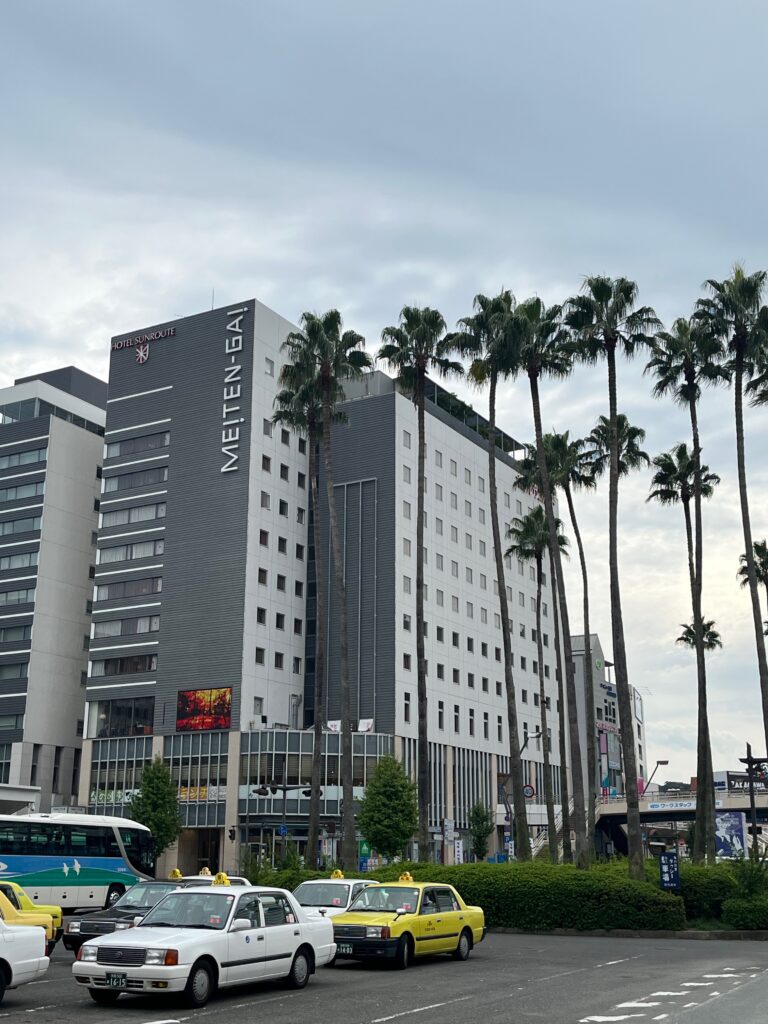
I arrived in the city of Tokushima on the east of Shikoku by bus around lunchtime on a Thursday. It was a cloudy but warm day. Tokushima had an aura of a medium sized Japanese city – modest, polite, efficient, but not too ostentatious or prosperous. This was a fine functioning town, but it was far removed from the megalopolises of Tokyo, Osaka or Kyoto. I wandered around briefly to find something to eat. Japan has no shortage of eateries, from Michelin star fine dining, to welcoming mom and pop restaurants, to reliable and very affordable chains. And when all else fails there is the ubiquitous convenience store, which comes in three similar shapes – 711, Family Mart and Lawson. I opted for the convenience store that day, a habit that I would repeat daily for the next six weeks. Those stores would become my best friends on the journey. They were always open, always well supplied, and offering everything you could want or need. They often appeared like an oasis in the desert, offering a lifeline of sustenance when nothing else was available.
Shikoku was to be my home for the next six or seven weeks, but I knew little to nothing about it. I was now in Tokushima, a city I hadn’t even heard of two weeks earlier, and I needed to make my way to Temple 1, which was a short train ride from the centre. After eating in a 711, an experience that can range from tasty and rewarding, to bland and soul crushing – try any of their bread products – I entered the train station. There I met my first two travelling companions. One was a friendly Frenchman named Edmond, and the other was an affable Japanese man, though he didn’t speak a word of English. Why I should expect Japanese people to be able to speak English in their own country is a testament to my western tourist arrogance, but we followed him as we took the train to a place called Bando, and then walked a short distance from there to temple 1.
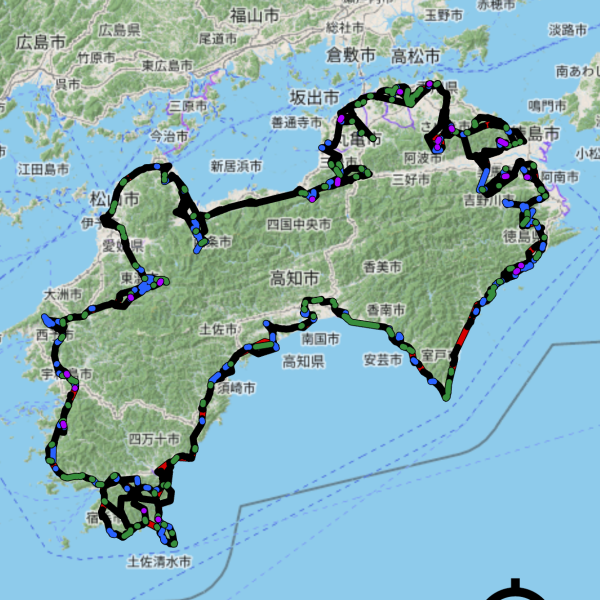
The 88 temples of the pilgrimage are dotted all around the island of Shikoku. Some are clustered together in cities, some are high up in mountains, while others are located at the furthest peaks of isolated capes. Temples can come thick and fast when in busy metropolitan regions, while in the south and south west of the island you can go for days between one and the next. There are rituals to follow at each temple: you bow as you stand before the main gate, then you wash your hands and mouth with a ladle at a fountain. From there you proceed to the main temple, make an offering, ring the bell and say a prayer. Most pilgrims carry a book for collecting the stamps and calligraphy of each temple, known as the nyokyoshu. This is presented at each temple office, and the staff member on duty will stamp the book and paint the intricate symbol of the temple on a prescribed page in black paint for a fee of 500 Yen. Each inscription is a work of art, executed with great skill and speed. The pilgrim also receives a paper slip commemorating the temple’s god. The book is one of the pilgrims’ most treasured possessions, as well as a testament to the progress of their journey.
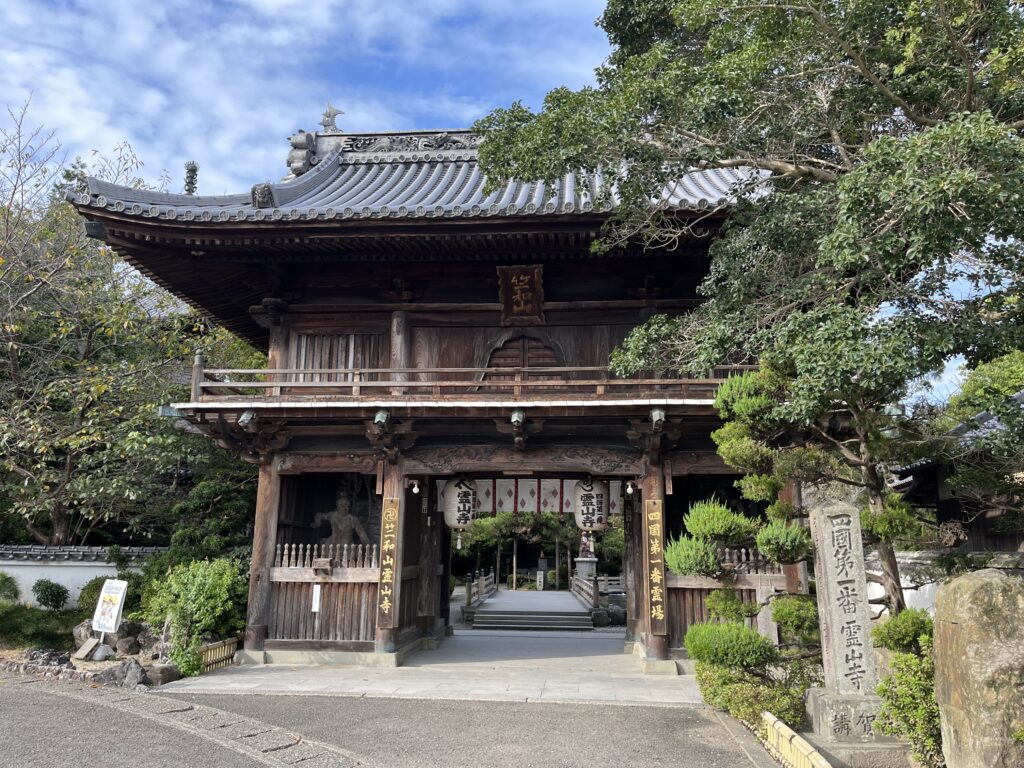
Temple one is the normal starting point for the henros completing the journey on foot. If all was to go according to plan it would also be my last stop many weeks into the future. There I purchased my stamp book, the white pilgrim jacket known as a hakui, but I decided against the traditional conical hat in favour of a conventional one that had served me well on my earlier travels. Prayer beads, sashes, bells and walking staffs can also be purchased there, but I just stuck with the basics. Temple one is called Ryozen-Ji, which translates into English as the Temple of the Sacred Mountain. Each temple is unique in its style and features, but they all share a few basic features – an arched wooden gate at the entrance, a purification fountain, a temple devoted to Kobo Daishi, and a main temple. Temple one had a magnificent coy pond, trees, and other spots in which to pray, meditate and contemplate. It is said that the houses of faith contain many rooms. Though not a Buddhist, I could appreciate the sacred in a tranquil space like Ryozen-Ji. That tranquility would be evident in all of the temples if I knew where to look for it. If I was in the right frame of mind, it might also be present on the road.
At temple one I met some of my fellow travellers, Francois from France and Normand from Canada, all of us fresh faced, unblemished, energetic and enthusiastic about the journey to come. Some of us met for dinner in a nearby restaurant later that evening, where we got to know each other, our aims, ambitions and hopes for the walk. We all intended to complete the whole journey on foot. I knew the distance, the number of temples, and a rough number of days it would take me to complete it. My experiences on the camino gave me a good reference point for the physical and psychological demands of such a journey. What the actual road would be like was more of a mystery. I hadn’t done a lot of research before I began the journey. I didn’t want to be too tied down to a plan, nor did I want too much foreknowledge of what was to come. I’d deal with each hurdle as it presented itself. If I anticipated there would be a problem for next week, then that would become next week’s problem.
THE FIRST STEPS
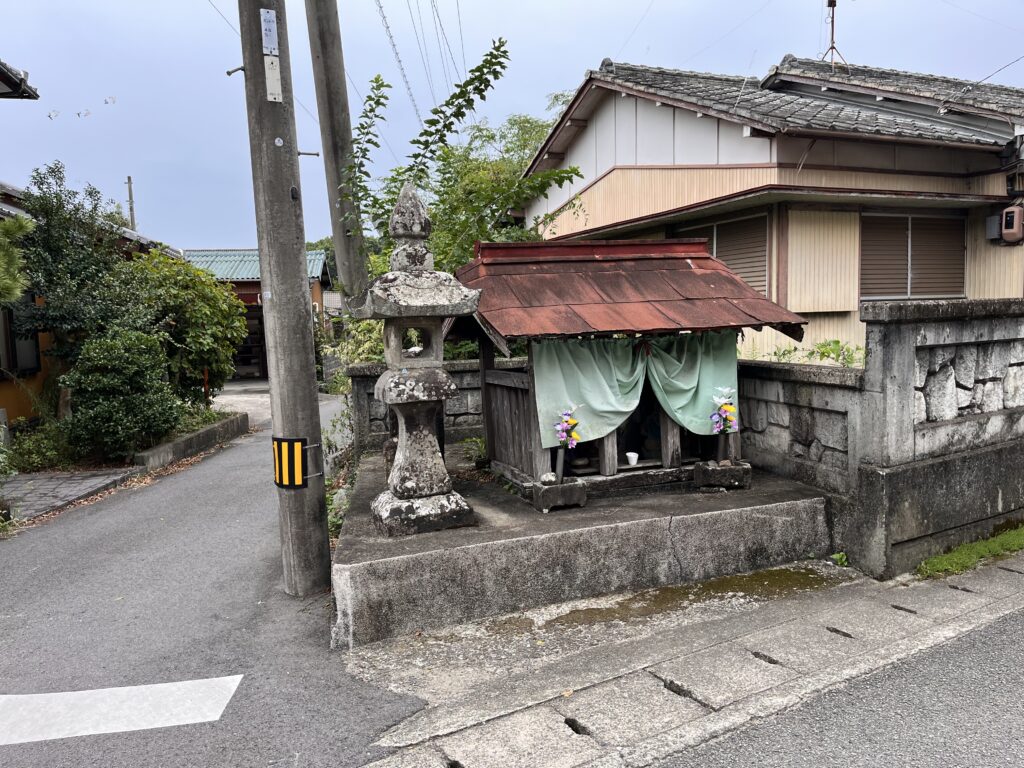
Friday, the 3rd of October, 2025. It was a little overcast as I set off from my lodgings around 9 AM, which was within sight of Temple one. The first steps along any road are the most memorable. There’s a sense of excitement at the dawn of a long journey, whose outcome is unknown and whose dramas have yet to happen. The first step is the trigger, and each step brings you somewhere new and different. My senses were ablaze as I wandered off through the suburbs of Tokushima. It was a quiet Friday morning. I passed along streets with attractive houses, many very traditionally Japanese in their design, lots with very well maintained gardens. Little Buddhist statues and Shinto Tori gates were dotted along the roads, a constant reminder of the spiritual nature of Japanese society. There was little traffic along the residential roads I wandered, and few people were evident as well. The streets revealed the patterns of suburban and rural Japan, where elegant detached houses stood alongside rice paddies and rural lands. Narrow water canals bordered the roadways. Stormgrids punctuated the streets. This was quiet Japan, the real heart of the land of the rising sun, and it would become the backdrop for my walk, and my home, for the duration of my journey.
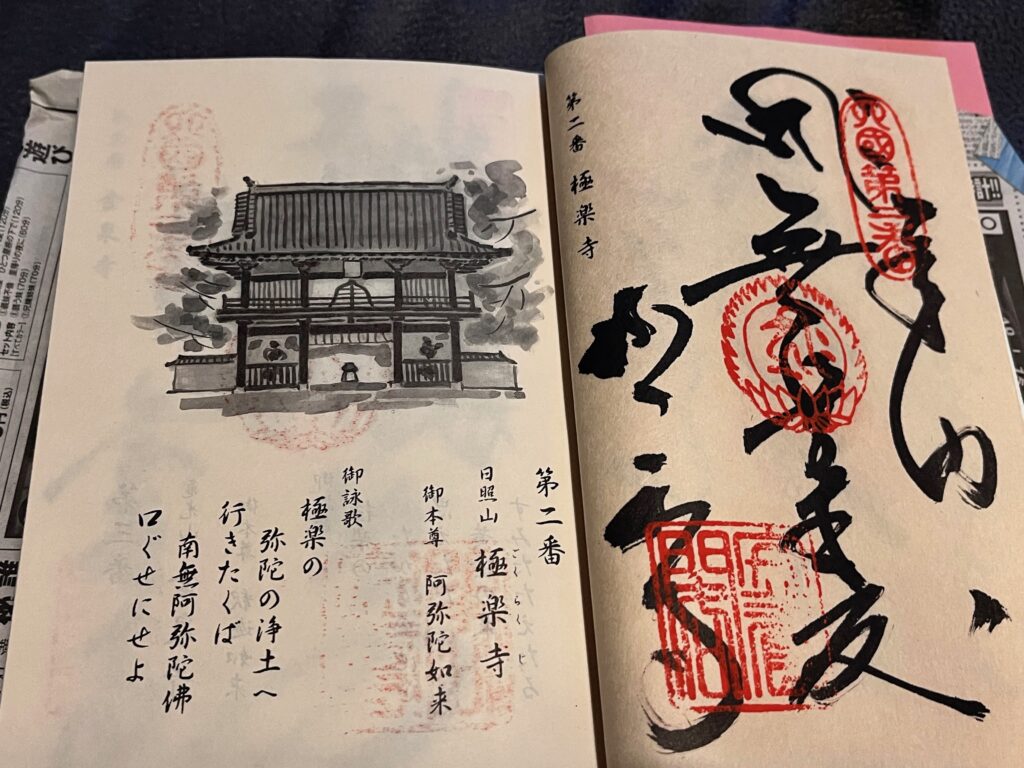
I reached temple 2, Gokurakuji, after about twenty minutes. This was the first place I would perform the rituals, the bowing, the washing of hands, the praying at the main hall (Hondo) and getting the inscription on my book. The one I’d bought at the first temple was already inscribed, so at temple two I witnessed it being done for the first time. I was amazed and inspired by the speed in which it was completed. It took little more than 30 seconds. That’s the power of practice. I handed over my money and our business was done.
The first day brought six temples. Between temples 3 and 4 I met a very charming Swiss couple called Sybille and Hampi, who were also completing the journey on foot. They had earlier been gifted a series of bento boxes (lunch in Japan) from a passing local. This practice, known as osettai, is where Japanese people give gifts of food, drinks, accommodation and even money to aid pilgrims on their journey. I was the recipient of many such acts of generosity on my travels. Frequently people would come running out of their houses to offer me drinks or sweets, and I received many waves, smiles and other gestures of friendliness from the locals as I passed along my way. Though I struggled to communicate due to my lack of the language, I was always made to feel welcome and at home on this island. I just hoped the snakes, wild boars and murder hornets would be equally accommodating.
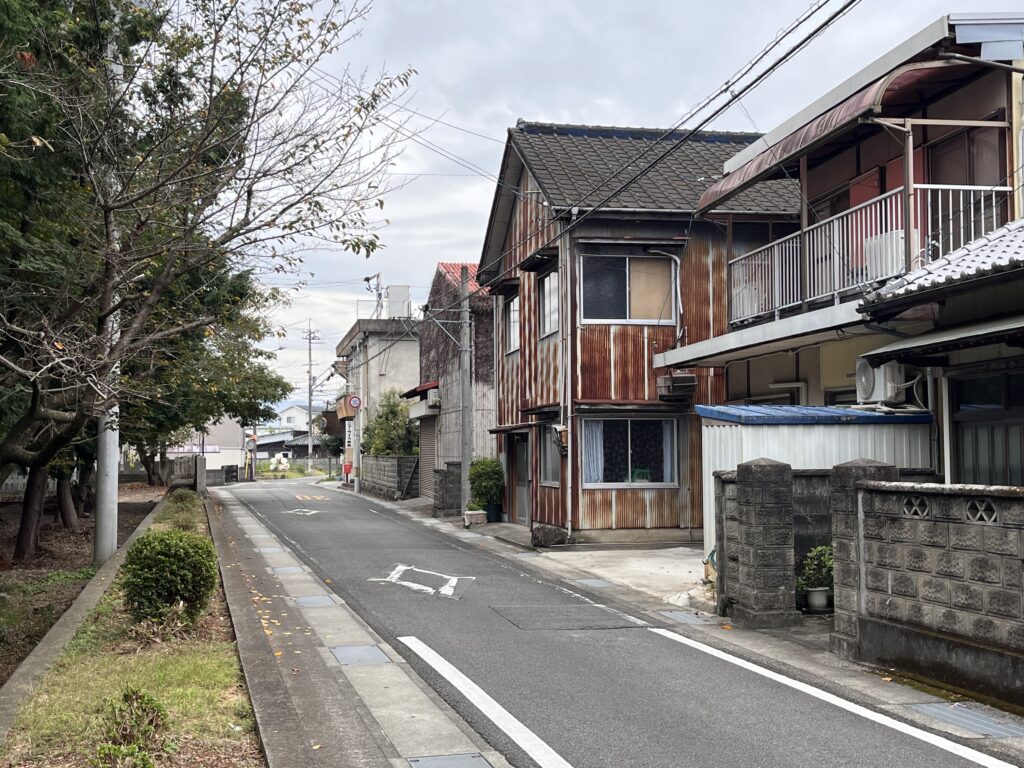
On the outskirts of Tokushima on that first day, one thing that struck me was the pockets of decay – empty houses that had become overgrown, shuttered shops that were starting to rust. In a more remote region like Shikoku there were few opportunities for the decreasing number of young people who lived there. In fact young people were almost nowhere to be seen, and those that continued to live here were ageing. Decay and decline were themes I would encounter frequently as I walked this path, and Japan’s diminishing population was all too evident in these parts. As I was contemplating this emptiness, I saw a man cycling up a side road on a bicycle. Looking at his face he didn’t appeal to be local. He stopped to say hello. “Are you doing the henro too?” I asked. “No, I’m the principal of the local school.” It turned out his name was Dan, and he was from the tri state area of the US. We chatted for a few minutes and in characteristic Japanese fashion he also gave me some osettai of a bread roll. I certainly appreciated the gesture and thanked him for his kindness, but it just reaffirmed what I’d always thought – the Japanese simply cannot do bread.
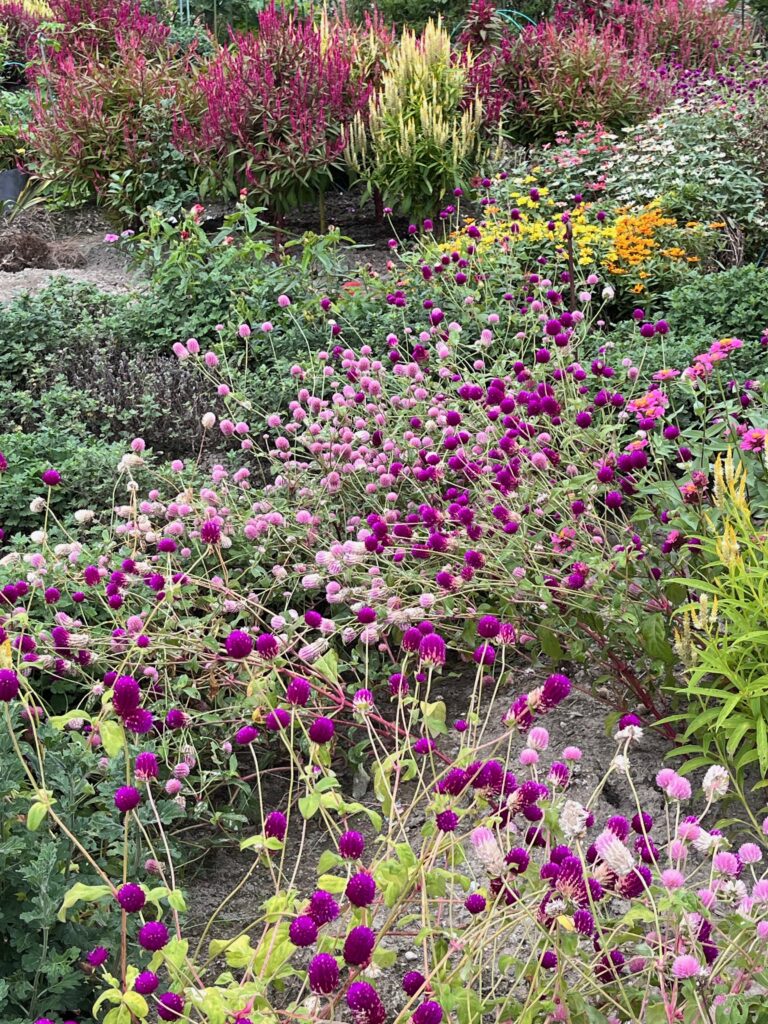
I spent my first night in a Henro House, a pilgrims’ house run by locals for the benefit of those doing the walk. There were several of these spread out across the island, and these were among the many lodgings I stayed in over the course of my journey. Other types included homestays, guest houses, temple stays, hostels and business hotels. Whatever I could get I took. They ranged in price from about 5500 Yen per night (around €30) to 8500 Yen (about €50), and it usually included evening meal and breakfast. The homestays gave me a wonderful insight into Japanese living. Most of them were run by little old ladies, who treated us to the best of Japanese hospitality, and everyone of them it seems was a Michelin star chef. Wherever I went, the food was guaranteed to be great. Japan has so much to recommend it as a tourist destination, but its cuisine is worth the trip alone (apart from the bread). Even their chain restaurants, the ubiquitous Yoshinoya, Sukiya and Matsuya, are world class dining experiences. And remarkably cheap too.
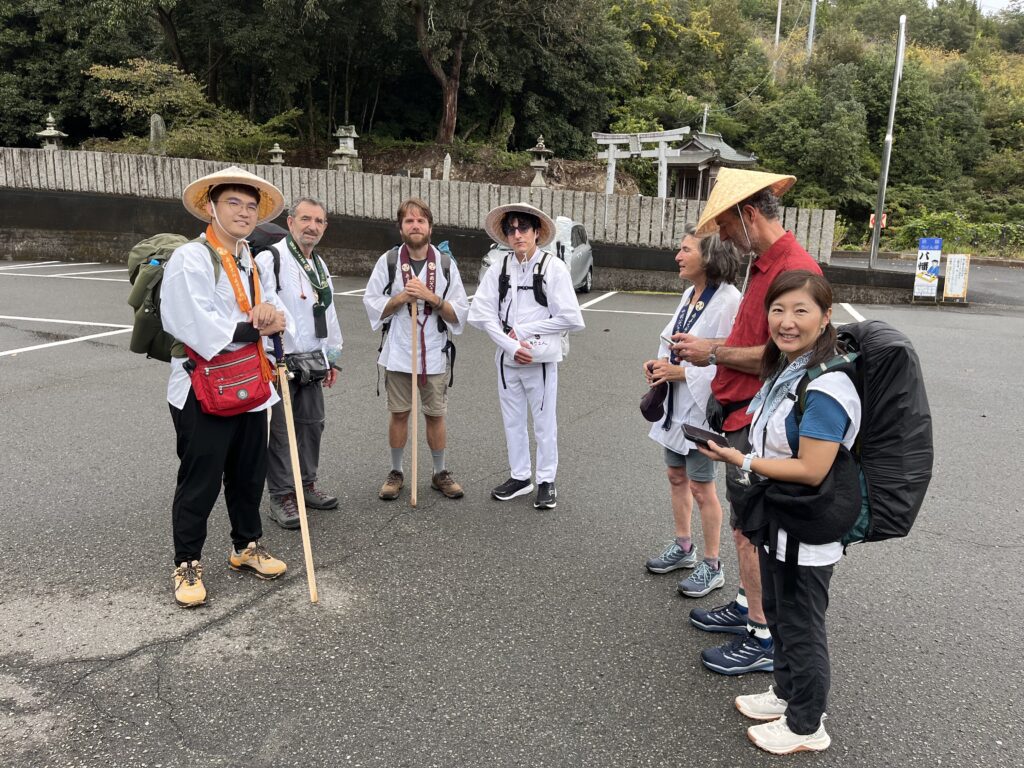
I reached temple 7 on day one. By this rate I’d expect to be finished in two weeks. Day two brought me to temples 8-10. I encountered some of my fellow travellers at temple 8. Among them were the Swiss couple, Sybille and Hampi, Francois from France, Edmund, also from France, Amilcar from Nicaragua, and Normand from Canada. There was also a Japanese woman there called Naomi who spoke good English. People like here were invaluable connections to have in Shikoku as they were able to help us book accommodation. As most of the homestays were small mom and pop affairs who could only be contacted by phone, it was necessary to have someone fluent in Japanese to make the call. My vocabulary was growing incrementally by the day, but I still had little more than seven words of Japanese that I could use confidently, so knowing a native speaker was very important in finding a place to stay.
BURNING MOUNTAIN
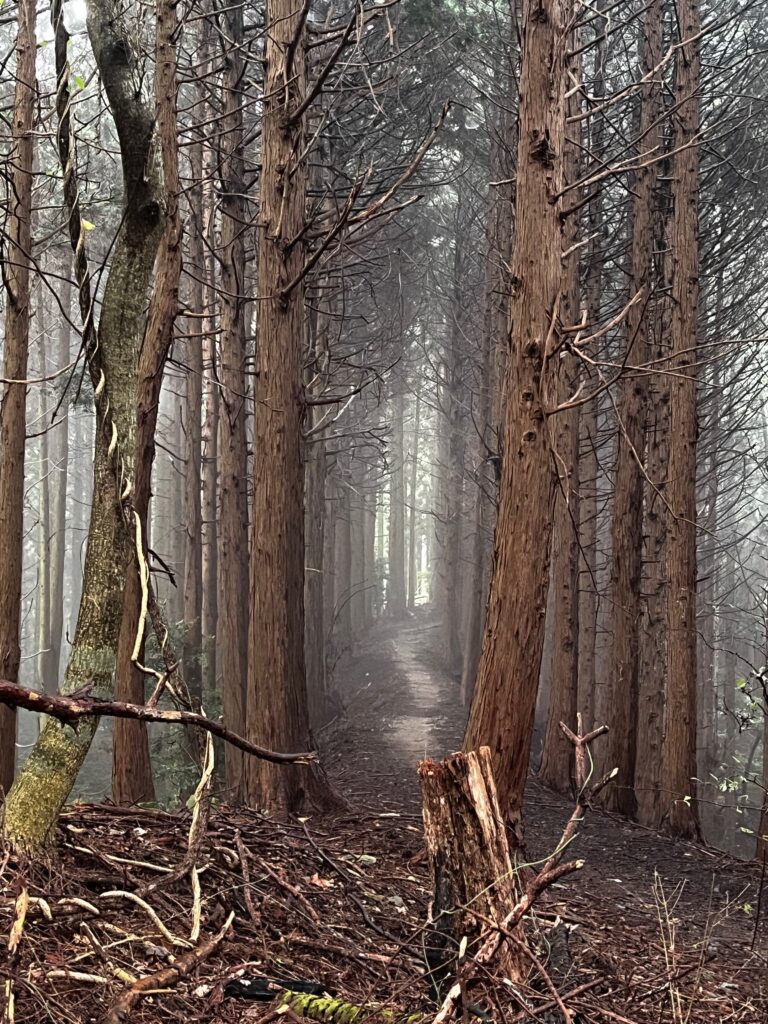
Day three was when the gloves came off and the Shikokyu pilgrimage bared its vicious fangs. There would be no faffing around any longer. No more gentle strolls through the outer suburbs of Tokushima, or gazing in tranquility at serene temples. No. Today required a five hour climb through thick forests, and the destination was temple 12, Shosan Ji, or burning mountain temple. The forests were beautiful, full of lush and dense vegetation, and a few creepy crawlies that were best admired from a distance. The climbs ranged from pleasant hill strolls to moderate inclines, to a few stretches that wouldn’t have been out of place on K2, where the sweat pumped out of me like a flowing river. And there were a few murderous descents built in to cap it all off. There I learned how very valuable my walking poles were. Without them I’d probably be dead, or worse. Wherever the trek, and whatever the conditions, a good pair of walking poles are among the most important pieces of equipment to carry. You can forget your head, but don’t leave home without walking poles.
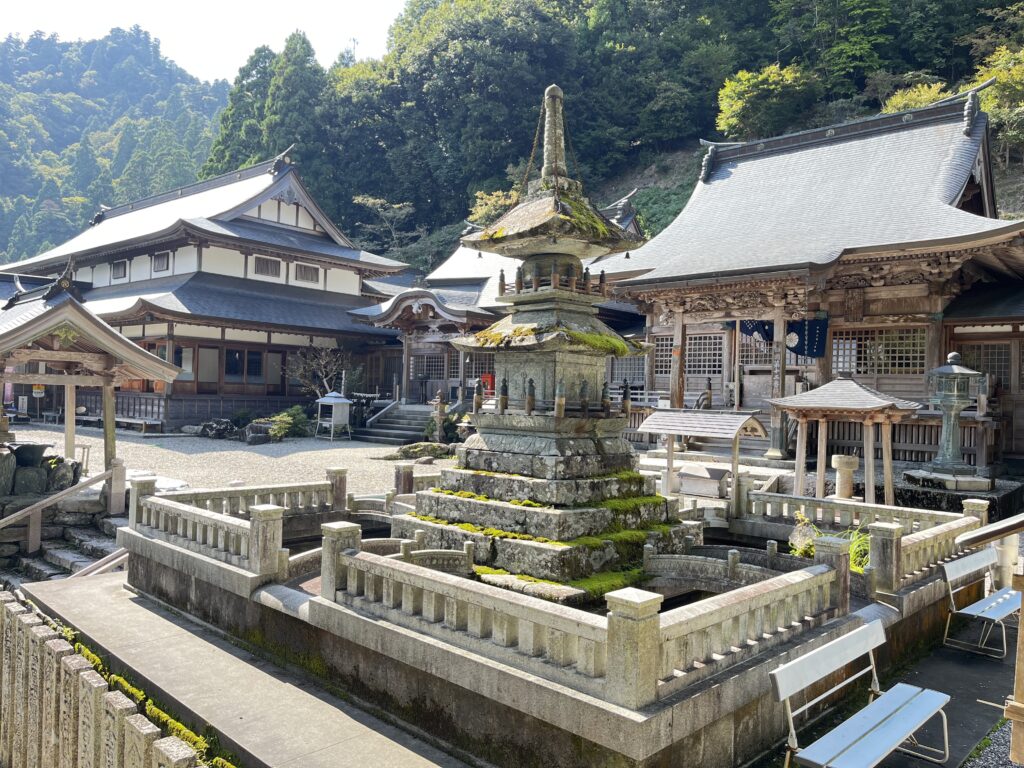
The temple, which I reached after five hours, was a delightfully peaceful complex offering engaging views of its forested surroundings. I met my friends Sybille and Hampi there, and we were joined by our Canadian colleague Normand. We spent some time resting at the temple, enjoying a snack, and appreciating that we had now overcome the first major challenge of the walk. My feet were starting to develop some nasty blisters by that point, an issue that would become more pronounced over the next few weeks, but I didn’t know that at the time. Time slows down on a pilgrimage. You can never think too far ahead, never much beyond the next day, the next town, the next temple, or even the next step. When the walking is treacherous, like on a slow and tricky descent, focusing on the present moment becomes a necessity. I’d had a few slips and near catastrophic tumbles on greasy declines that morning. No better way to focus the mind.
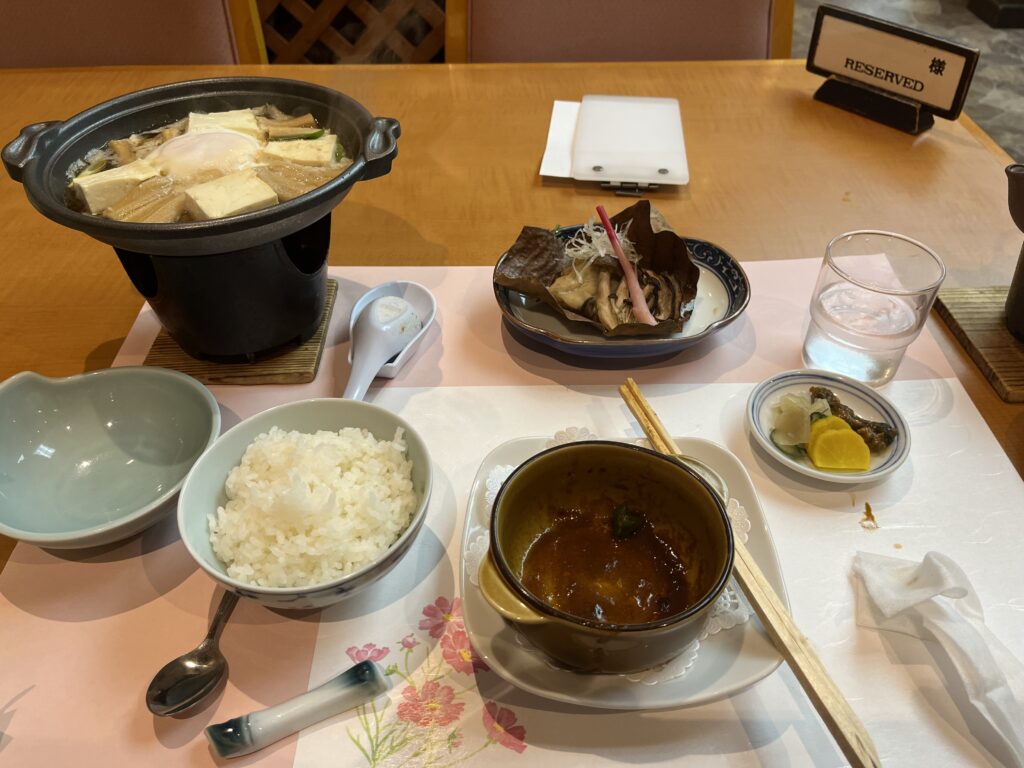
Accommodation was scarce in those parts, so we were forced to stay in the luxurious Kamayama Hot Springs Hotel that night. While the price was by no means exorbitant (about €80 in normal money), this was a considerable indulgence for a pilgrim. For that I got a nice double room, an evening meal and breakfast that was fit for a king, or the Emperor as it would be in Japan. The price also included free access to the hotel’s onsen, a Japanese public bath. Onsens are a regular feature of public life. They are often heated by thermal springs, which are fairly common given that Japan is essentially one massive series of volcanos. After a hard day on the road there’s nothing like a soak in an onsen to restore your energy and give a relaxing balm to the body before the next day of the journey.
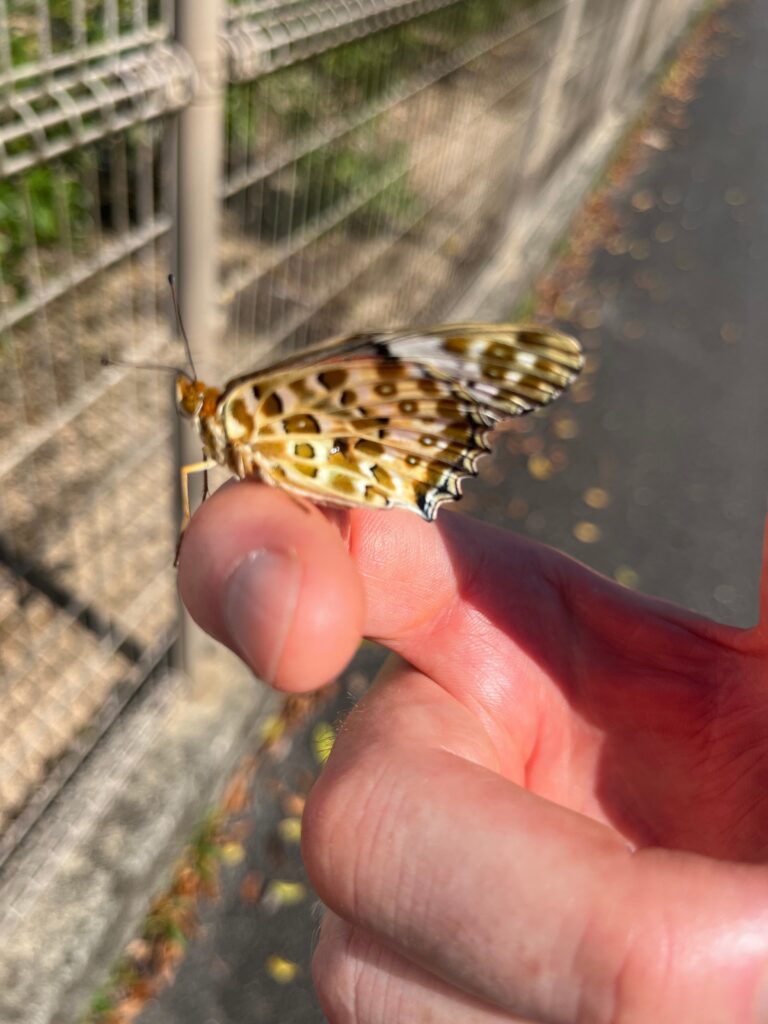
The tranquil resort village of Kamayama was effectively a detour before returning to the suburbs of Tokushima, which was where I was headed on day four. The weather was warm, but the blisters were grinding into my heels like I was being tortured in a Russian Gulag. Beginning the walk was a slow and tedious process, as the blisters screamed their presence, but once I found my stride I became habituated to the discomfort. The day’s walk began in rustic settings. This was more rural Japan, lots of green houses, farm houses, quiet roads, and bamboo groves. The wild autumnal flora was full of rich colours, oranges, limes and khakis were growing abundant, and butterflies and dragonflies danced through the long grass that grew on the verges of the road.
I sat down to another majestic feast that evening in my lodgings close to temple 16, where I got to know a Dutchman called Edward, who would become a regular walking companion over the next few weeks. We were also joined by a Canadian couple called Dave and Charlene who were doing increments of the pilgrimage by bicycle. Their route was quite disjointed, yet our paths tended to overlap in the most unexpected of locations. The manager of this place spoke very good English, and gave me a cheat sheet with Japanese translations of English phrases, and told me if I needed anything while on Shikoku to let her know. Like Blanche Dubois, I was never in any doubt that I could always depend on the kindness of strangers while I was in Japan. The friendliness and warmth with which I was received knew no bounds. Though language was a bit of an obstacle, there was no mistaking the humanity that was on display everywhere I went.
DAYS LIKE THIS
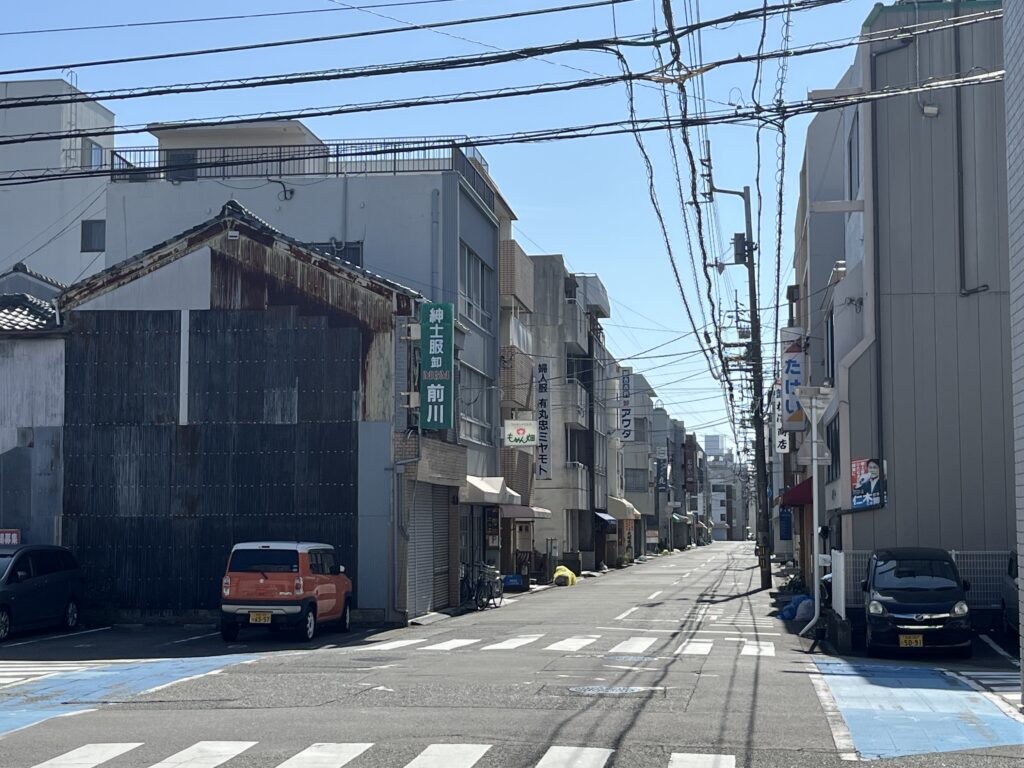
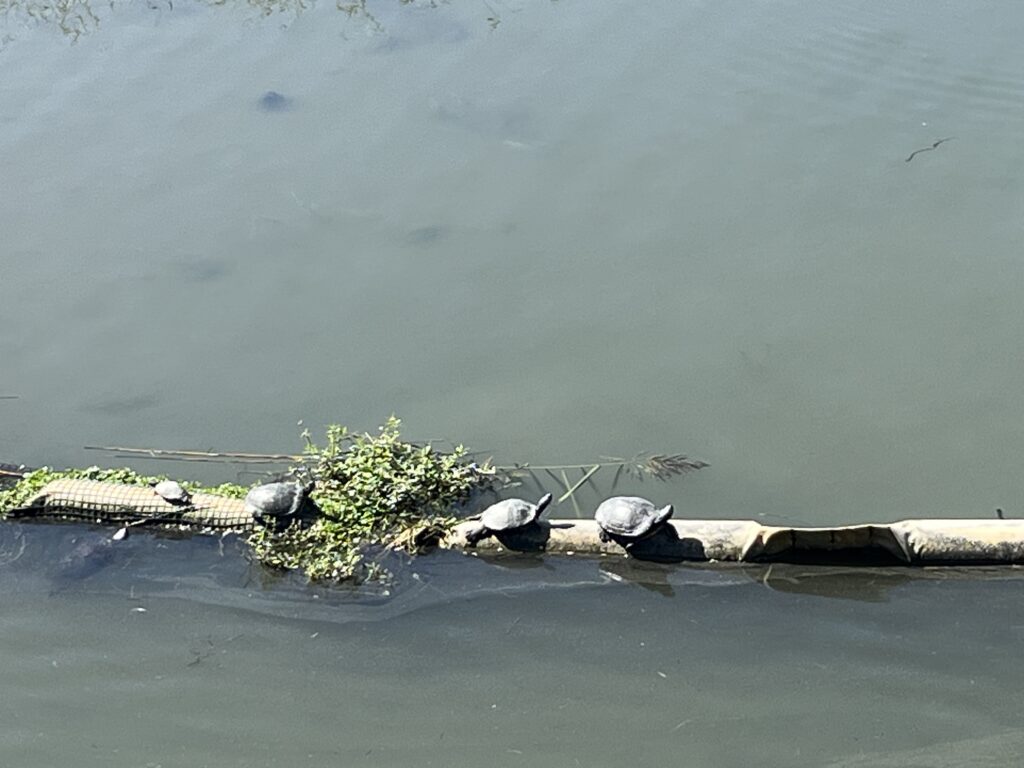
A certain ennui was setting in by the fifth day. I was becoming accustomed to Japan and its surroundings. The streets, houses, people and temple rituals were now everyday occurrences. My body was adjusting to the demands of the long walk, but my feet were taking a considerable bruising from long days on hard surfaces. The weather was hot and punishing that day. The walk brought me through the centre of Tokushima, not far from the train station where I arrived five days before, through its rambling yet quiet suburbs, and then out of the city via a long monotonous motorway. Large volumes of traffic were my companions for the walk, and the scenery was a bland backdrop of box stores, warehouses and chain restaurants. Such conditions were hardly conducive to quiet contemplation, but pilgrimages aren’t always bucolic country strolls or wanderings in misty mountains. There are days on asphalt along busy roads, and they are the ones you have to endure, not to get to the promised land beyond – that may never come – but to learn the value of endurance. The same philosophy that got me through the hard times on the different caminos guided me through a day like this as well – whatever the weather, whatever the circumstances, and however you feel, you walk. But amidst the drudgery there were moments of beauty, like the black and turquoise butterflies, the stork in the rice paddies, and the turtles diving into the river like synchronised swimmers.
Temples 18 and 19 were on today’s list. 18 took me off the main road and up a hill to a peaceful temple called Onzanji. This spot was a milestone as it marked 100 kilometres from temple 1. I reached it around 2 PM, when the sun was at its height and quite punishing. and from there the walking went through placid suburbs to the charming temple 19, which I got to around 3:30. I met many of my fellow travellers there. My Swiss friends had reached that point. So too had an Italian woman called Angela, who was due to stay that night at the same Henro house as I was. The place was called Fun Farm. It was located a few kilometres away, and it was supposedly self-catered, so I’d had to stock up for dinner and the next morning’s breakfast in a 711 I passed earlier.
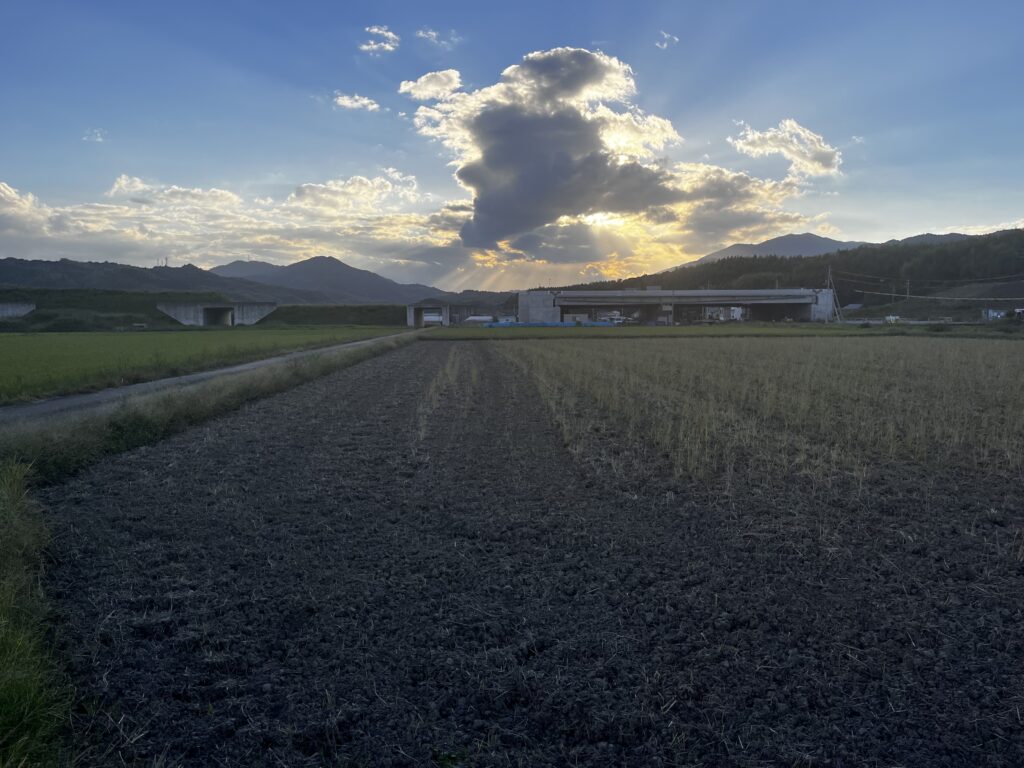
I met Angela further up the road in a network of paths that wound their way through rice paddies. We reached Fun Farm as the sun was setting and we were met by a sweet elderly couple who told us that they would serve us a Japanese curry at 6 PM. At least that’s what we understood them to have said. We arrived down into the living area on schedule. Given that Japanese people are very punctual, we presumed we could help ourselves as neither of our hosts would arrive in the next ten minutes. Angela and I tucked into the curry and rice and ate it with relish. And it was good. Very good. The lady arrived later to see that we had already eaten most of the meal. We felt like stupid Gaijins, the rather pejorative Japanese word for foreigner, but she didn’t seem to be particularly offended. She supplied us with small glasses of liquor and ice, and did everything with a smile. Angela and I looked at each other with embarrassment and laughed nervously. A social faux pas in Japan can be punishable by ostracisation if you’re a native, or deportation if you’re a foreigner, but in this house it was just met with good will and some saki. We decided to do the wash up by way of thanks, or an apology, and we went to bed early lest we do anything else to tarnish the reputation of stupid European pilgrims.
NIGHT TERRORS
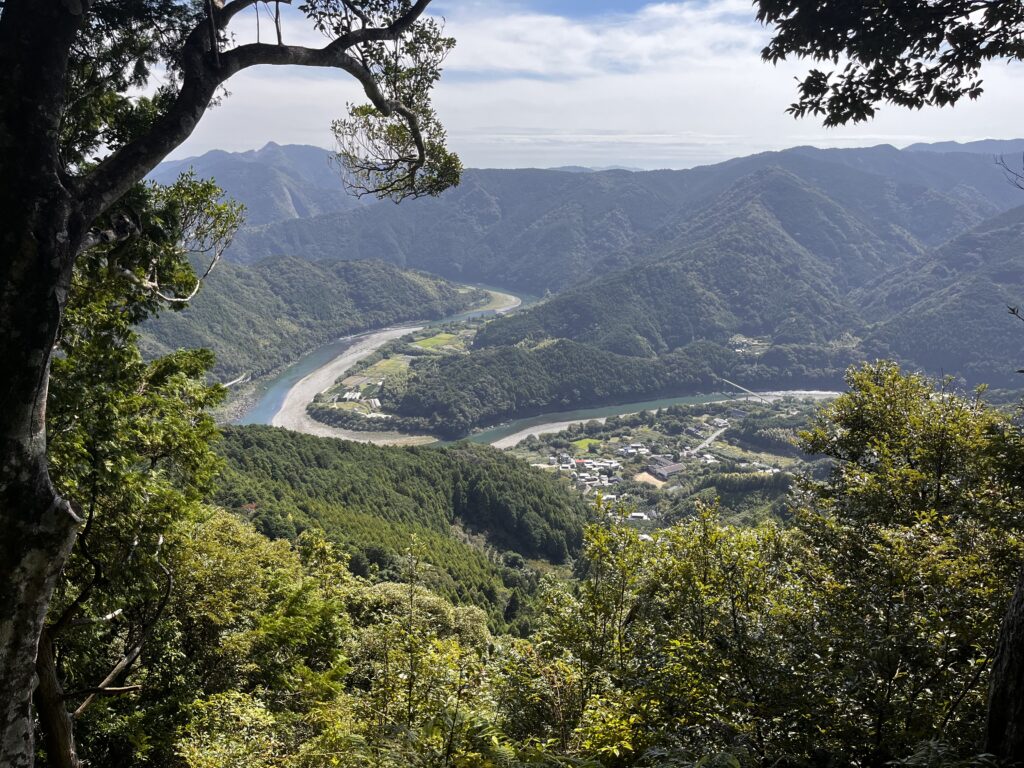
However many years I live from now, the sixth day of the Henro will be among those that I will talk about until the stars turn cold. I left Fun Farm early. Our hosts had disappeared into their own home, so we didn’t get a chance to properly say goodbye. Perhaps they were shunning us after the previous night’s unintended insult, but probably not. They seemed far too nice for that. The early walking brought me along the side of a busy road, where the overgrown verge forced me to walk a little closer to the passing traffic than I was comfortable with. But the urban grind gradually gave way to mountain paths which led to temple 20, the first of two climbs I’d have to make that day. The temperature was warm, but the lush, verdant forest offered shade and the sweeping vistas of the meandering river valley below was the most impressive of anything I’d seen on this walk so far. The urban landscape was disappearing into the distance, and in its place were the natural spaces and wooded trails that are the stuff of a pilgrim’s paradise.
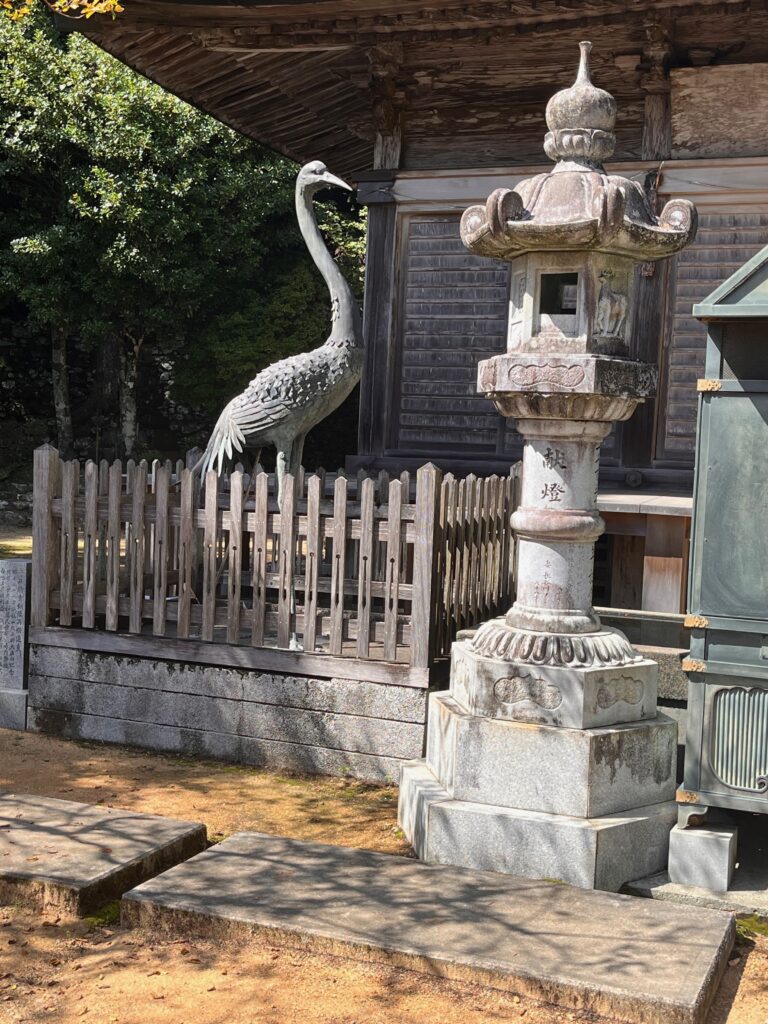
Temple 20, Kakurin-Ji, Crane Forest Temple, was a tranquil haven on top of the mountain, a serene spot that rewarded the hike to reach it. All of my pilgrim friends would reach that same point within the next 30 minutes. We chatted like lifelong friends who’d been through the wars together, though we had known each other less than a week. My feet were still troubling me, and it would get immeasurably worse in the days ahead, but I felt very much at peace in the presence of my friends and the statues of all those cranes out here on an island in the Pacific. Having completed the rituals, and drank deeply from the fresh mountain waters, we all drifted off in fragments down the mountain towards our next temple, due to be reached later that afternoon.
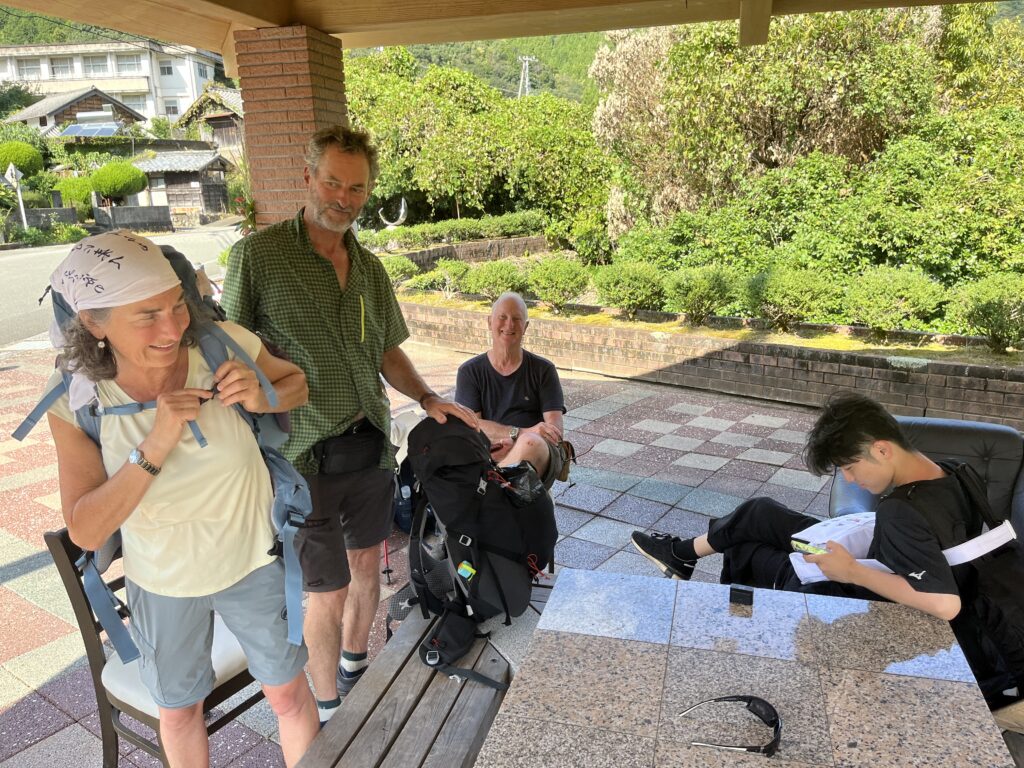
Down in the valley, at a roadside shelter, I met my Swiss friends, and we ate whatever provisions we had carried with us. I had the rice and chicken I’d bought for the previous night’s dinner, but the curry that the kindly Japanese couple had provided for us in Fun Farm meant I had it in reserve. It was somewhat stale and dry, but on a pilgrimage any source of nourishment is a blessing. The noon day sun was quite intense, but it was going to be one of those days long, demanding days where weather, bland food, or long and demanding distances weren’t going to prevent me from getting to my destination.
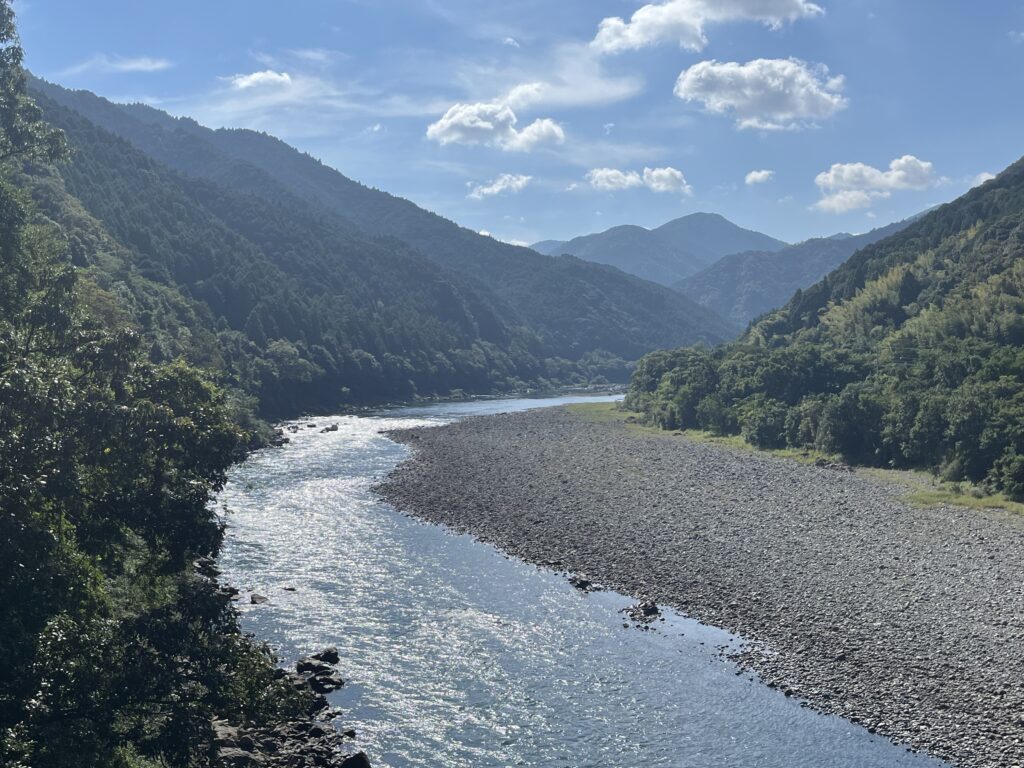
The first part of climb up to the majestic temple of Tairyu-ji, number 21 of the pilgrimage, weaved its way along a wooded path, where deciduous trees created an archway that led all the way to the summit. Waterfalls and murmuring brooks babbled nearby, and the entertaining array of wildlife in the form of snakes, lizards, spiders and birds were constant companions. The path turned to steps as I got nearer the top, and then on a bench I encountered several older ladies from New Zealand, who looked like they got lost on their way from the pages of a PG Wodehouse novel. I couldn’t imagine a group of people who’d look more out of place than this trio of ladies dressed for afternoon tea on a Japanese mountain on a Wednesday afternoon. We exchanged pleasantries and some laughs, and I was bemused by such an anomalous encounter. Then I continued the slog up to Tairyu-Ji.
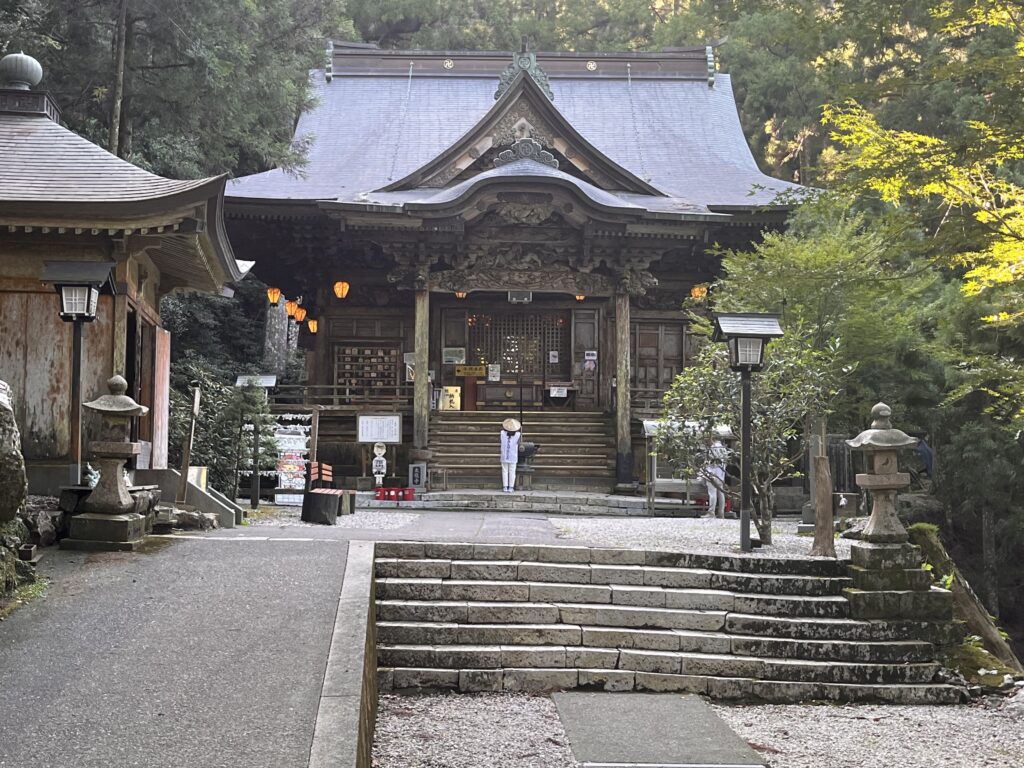
Temple 21 was perhaps the most impressive of the temples I’d seen to date. Its quiet mountain top setting lent it an air of serenity, and any of the large crowds it may attract had largely dispersed by the late afternoon, adding to its solitude. Most of my pilgrim colleagues had also reached the summit at that point. Little did I know that it would be the last time we’d all be together at one point, as it was here that the group that had been my family for the first week would start to disperse. Such is the impermanence of pilgrimages. Such is the impermanence of life.
I have known some moments of hair raising terror in my life – riding on the back of a motorbike through crazy rush hour traffic in Mumbai, enduring an eight hour high speed bus journey along the lawless rickety roads of Nepal, and attending a HR inspired university out boarding day – but descending the paths from Temple 21, through the gnarled, craggy and uneven paths of the forest, where the gradient was steeper than a ticker in a stock market crash, and my walking poles were starting to malfunction, was the new milestone in terror. Each step had to be strategically planned lest I should lose my footing and end up tumbling into an abyss where I’d become food for the snakes, lizards, crabs and other assorted creepy crawlies that called this wilderness their home. The light was fading ever more gradually as I tactically tiptoed my way towards the bottom. The sun was due to set a little after five. I’d have another few kilometres to go to my lodgings that evening, but once I was out of the woods I thought I could manage the rest of the walk with relative ease.
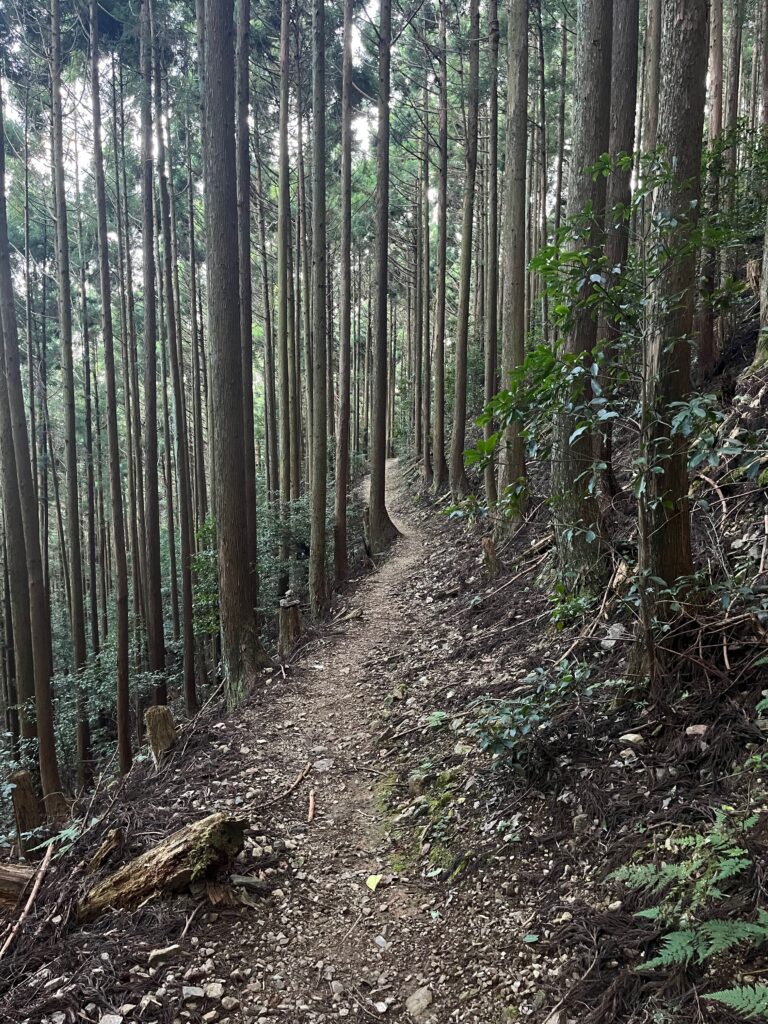
The path started to flatten out as the last shards of daylight flickered through the trees. I was safe and home free. Despite a few near misses the descent passed without injury or death, though such foes lurked at every step. I had another six kilometres to go that evening, and although I had to walk it in the dark, what was ahead of me couldn’t be any worse than what had just gone before. To get my bearings I looked at the trusted “Henro Helper” app – the lifesaver for everyone undertaking this journey – and discovered to my horror that I had another 100 metre ascent and 200 metre descent through another woods. The sun had gone to bed and I had miles to go before I slept, or died.
It was 6 PM. I’d been on the road since 8 that morning, I was hungry, tired, and sore. I emailed my lodgings for the evening to say I was on the way. The owner said he could come to collect me, but this was a pilgrimage and whatever the circumstances I intended to do it all on foot. I declined his offer. As I was entering the next forest I encountered two fellow travellers, both Australian and both called Rob. They’d survived the wicked descent too and were heading in the same general direction as I was. Rob One was in his mid sixties and had the rugged looks of an outdoorsman. A walk in the woods at night wasn’t going to phase him. Rob Two was due to turn 83 the next day. He’d obviously endured a long life to reach that age, and he wasn’t going to be put off by a potentially hazardous trek through a Japanese jungle full of nocturnal terrors either. We all put on our head torches, buckled up our belongings and forged into the unknown. As I was the youngest of the three, I went on point.
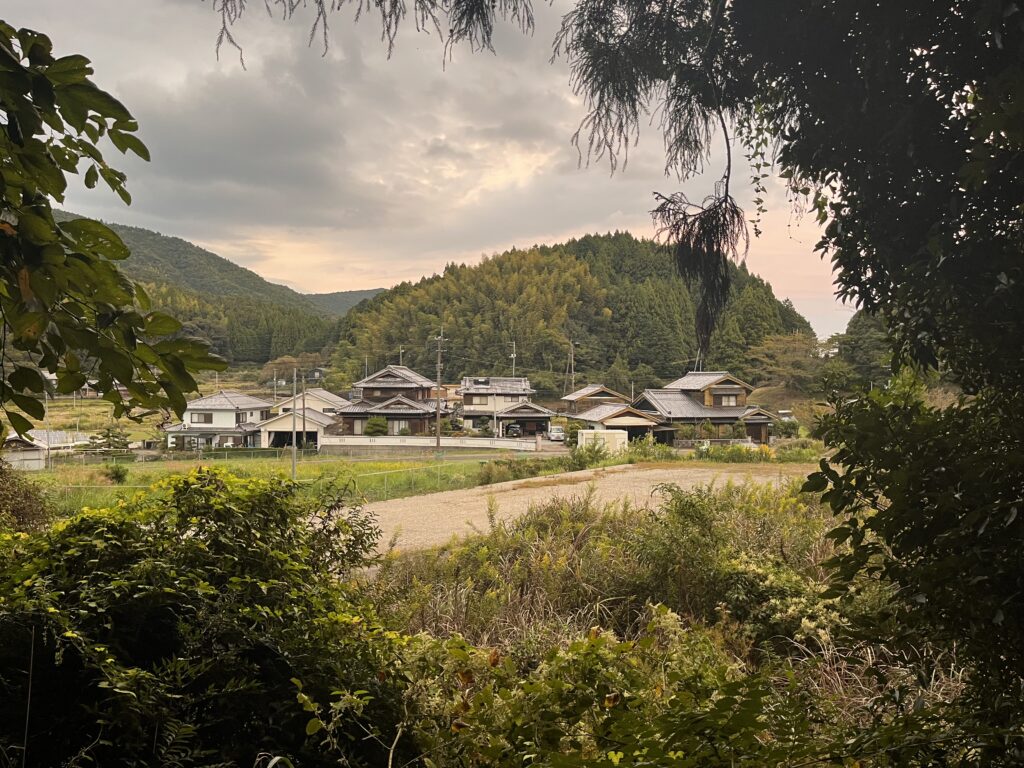
The climb was the easy part. It simply involved putting one foot in front of the other until we reached the summit. The descent was like staring into the jaws of death, and I was basted in honey glazing. Rob One and I carefully took the lead, cautiously finding our footing before taking the next step. We engaged in small talk and banter as we negotiated the twists and tests of that wooded mountainous terrain. If we had met our fate that night at least we would have done so in good spirits. The beams of light from our headtorches illuminated a distance of about two metres, but that was as far as we needed to see. Temple 88, my ultimate destination, was now a distant fantasy. Even tonight’s lodging was too far away for it to be an immediate concern. All that mattered was the next step. Moments like this are where the key lessons of pilgrimages are learned. Every step of the journey is important, but some steps are more important than others. Each step will get you closer to your destination, but you need to be fully and immutably present for others because if you’re not you will slip and fall, and possibly die.
The three of us emerged unscathed from the forest and we enjoyed the remainder of our walk along a quiet – and mercifully flat – rural road that led to the village where we were all staying that evening. Rob two, a man on the eve of his 83rd birthday, remained stoical and unmoved throughout the earlier ordeal, but I later heard that he considered it to be one of the highlights of his journey, and one that he would continue to talk about for years to come. Now that’s a man we could learn a lot from.
I rested for the evening in Panda Minshuku, where I ate heartily after a day that I too would continue to talk about for years to come. The next morning I would visit temple 22 nearby. I’d been on the road for a week, and I had now visited a quarter of the temples. I was nearing the end of the first stage of the pilgrimage. This was the part where I was awakening to the new surroundings, becoming mesmerised by the Japanese landscape and culture, adjusting my body to life on the road, and making new friends along the way. I had passed the first tests of the Henro and I was happy with my progress. The next day I would see the sea for the first time. The blue of the Pacific awaited me, as did the ominous prefecture of Kochi. This was due to be the ascetic phase of the journey, and there may have been trouble ahead, including a typhoon, but as the adage goes, whatever gets in the way becomes the way. There was only one thing to do: walk on.